Dave's Hot Chicken Recipe: The Copycat That Actually Tastes Right
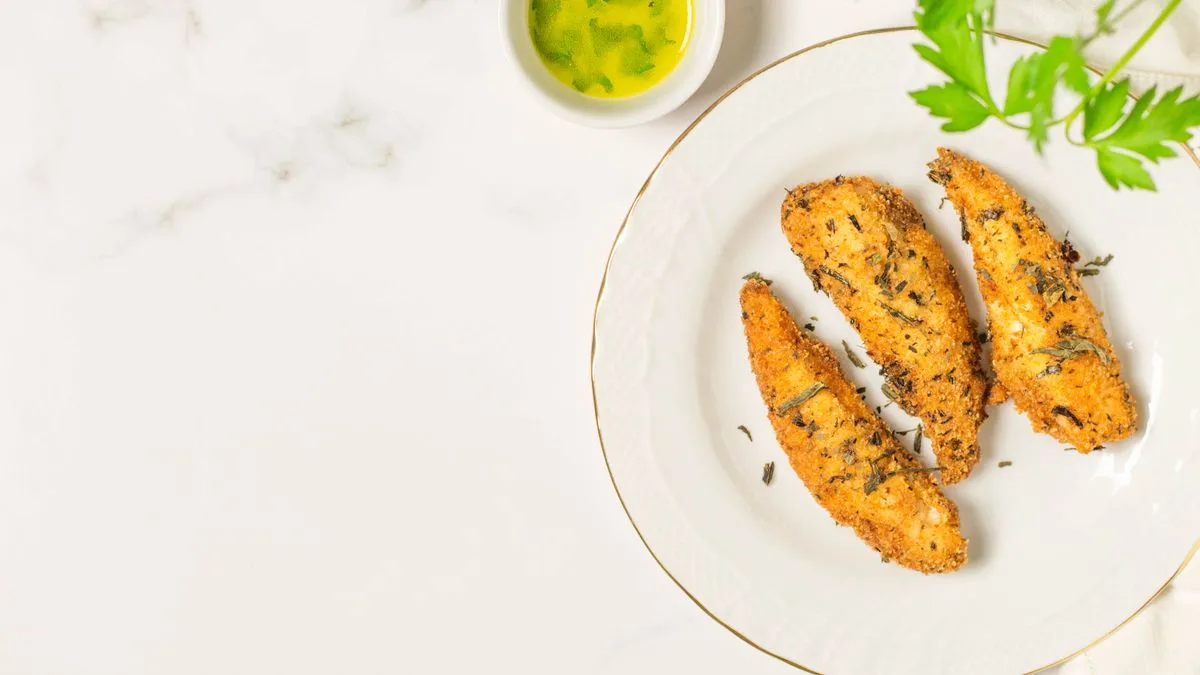
There is a moment, somewhere around your fourth homemade tender, when you realize you've accidentally learned to make Dave's Hot Chicken in your own kitchen for about a third of the price and none of the parking. That moment is the entire point of this post. The chicken is genuinely not hard — it's a brine, a dredge, a fry, and one spicy oil that does all the heavy lifting.
That's the snippet. Below is the real thing — every step, the spice oil that actually makes it taste like Dave's, how to dial the heat from No Spice to "sign a waiver," and the mistakes that turn crispy tenders into greasy regret. I've fried a deeply unreasonable number of these. My smoke alarm and I have an understanding now.
What actually makes it taste like Dave's
Most copycats nail the fried chicken and then wonder why it tastes like "good fried chicken" instead of "Dave's." The difference is one step: the spice paste brushed on while the chicken is still screaming hot from the fryer. Dave's doesn't toss the chicken in dry powder — it paints it with a cayenne-and-oil slurry that soaks into the craggy crust and goes glossy. That's the whole trick. Everything else is technique you already half-know; this is the part people skip and then can't explain the gap.
The other two pillars: a tangy brine (buttermilk plus pickle juice, which tenderizes and seasons deep) and a double dredge for that shaggy, shatter-when-you-bite-it crust. Get those three right and you're 90% of the way there. The last 10% is not eating it all standing over the stove. (I have never once managed the last 10%.)
The ingredients
This makes about 8 tenders — roughly four sliders, or two very committed dinners.
Chicken & brine:
- 2 lb chicken tenders (or breasts cut into strips)
- 2 cups buttermilk (or 1½ cups plain yogurt + ½ cup milk)
- 2 tbsp dill pickle juice
- 1 tbsp hot sauce (Frank's RedHot works)
- 1 tsp salt
Seasoned flour (the dredge):
- 2 cups all-purpose flour
- 1/4 cup cornstarch (this is what makes it shatter-crisp)
- 1 tsp baking powder
- 1 tsp each: garlic powder, onion powder, paprika
- 1 tsp salt, 1/2 tsp black pepper
The spice paste (the soul of the operation):
- 1/2 cup hot frying oil (ladled straight from the pot)
- 2–3 tbsp cayenne pepper (this sets your heat — see the spice-level chart below)
- 1 tbsp brown sugar
- 1 tsp paprika, 1 tsp garlic powder
- 1/2 tsp salt
Plus, for frying: about 4 cups neutral oil (canola, vegetable, or peanut). For the build: soft potato or brioche buns, pickles, your copycat kale slaw, and copycat Dave's Sauce — both of which I've already written up, so I'm not going to make you scroll through them again here.
Step by step
- Brine the chicken. Whisk the buttermilk, pickle juice, hot sauce, and salt. Submerge the tenders, cover, and refrigerate at least 1 hour — overnight is better. This is the tenderizing-and-seasoning step; don't rush it if you can help it.
- Mix the seasoned flour. Whisk all the dredge ingredients in a wide bowl.
- Double dredge. Lift a tender out (let the brine drip), press it into the flour, dunk it back in the brine, then flour again. The second coat is what builds the craggy crust. Press hard. Let the dredged tenders rest 10 minutes so the coating sets.
- Heat the oil to 325–350°F. Use a thermometer — this is the single biggest lever between "crispy" and "greasy." Too cool and the crust drinks oil; too hot and the outside burns before the inside cooks.
- Fry in batches. Don't crowd the pot (crowding drops the temp). Fry 5–7 minutes, turning, until deep golden and 165°F internal. Rest on a wire rack, not paper towels — towels steam the bottom soggy.
- Make the spice paste. Carefully ladle 1/2 cup of the hot frying oil into a heatproof bowl with the cayenne, brown sugar, paprika, garlic powder, and salt. Whisk. It'll sizzle and smell incredible (and slightly weaponized).
- Paint and finish. Brush the paste generously over the hot tenders. This is the Dave's moment. Stand back and admire your glossy, dangerous chicken.
How to hit each spice level at home
Here's the part the other recipes skip: Dave's whole identity is its seven heat levels, and you can recreate them with one variable — how much cayenne goes in the paste. Same oil, same chicken, just more fire:
| Dave's level | Cayenne in the paste | Notes |
|---|---|---|
| No Spice | 0 (just paprika for color) | For kids and the spice-averse. |
| Mild | 1 tbsp | Warmth, no real burn. |
| Medium | 2 tbsp | The sweet spot most people want. |
| Hot | 3 tbsp | Genuinely spicy; flavor still intact. |
| Extra Hot / Reaper | 3 tbsp + ground ghost/reaper pepper | Wear gloves, open a window, regret nothing. |
One genuine warning, because I'm not just here for jokes: if you go full Reaper with concentrated pepper or extract, wear gloves, keep your face out of the steam, and ventilate the kitchen. Capsaicin fumes off hot oil will clear a room and find your eyes from across it. Ask me how I know, or rather, don't.
Build the slider
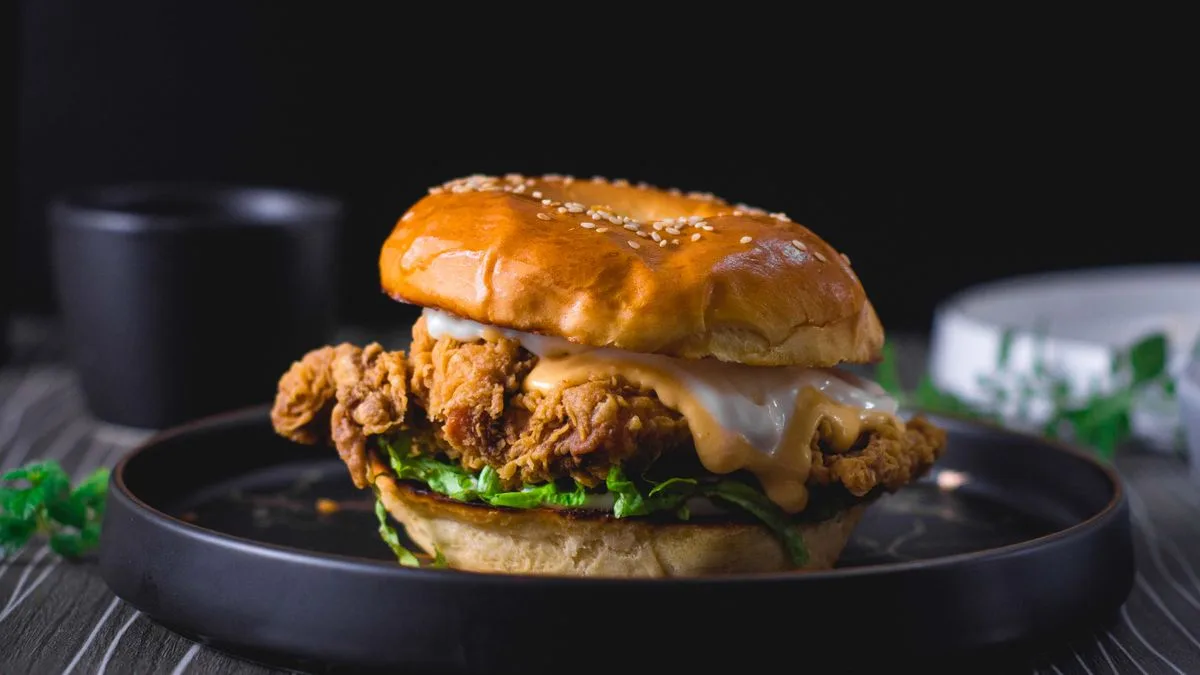
Tenders are great on their own with a cup of sauce, but the slider is the full Dave's experience in one hand. The order matters more than you'd think — sauce on both buns is the move:
- Toast the bun (potato or brioche) — a quick toast keeps it from going soggy.
- Bottom bun: a swipe of Dave's Sauce.
- Pickles — two or three slices.
- A scoop of kale slaw for crunch and cool.
- The hot tender (fold it to fit).
- More sauce on the top bun, because balance is a myth.
Mistakes that ruin it
- Skipping the spice paste. Dry powder doesn't cling and tastes dusty. The oil paste is the entire identity. Do not skip it.
- Wrong oil temp. No thermometer, no dice. 325–350°F or you're making oil sponges.
- Crowding the pot. Three or four tenders at a time. More than that and the temperature craters and everything steams.
- Draining on paper towels. Use a wire rack so the crust stays crisp on all sides.
- Under-brining. An hour is the floor; overnight is the dream. This is where the juicy comes from.
My honest take
Here's the one opinion I'll commit to: this is a better Saturday than it has any right to be, and the spice paste is the only "secret" that matters. You can fuss over yogurt versus buttermilk or potato versus brioche all you like — and you should, it's fun — but the thing that turns your fried chicken into Dave's fried chicken is that glossy cayenne oil you brush on at the end. Nail that and even a slightly wonky batch tastes unmistakably like the real one.
So brine tonight, fry tomorrow, and build the slider with the sauce and slaw recipes to complete the set. And if it all goes sideways — too greasy, too tame, too on-fire — the full Dave's Hot Chicken menu is right there, no cleanup required, no smoke alarm auditioning for a solo. Some nights you fry. Some nights you let the professionals do it and keep your eyebrows.
Frequently asked questions
How do you make Dave's Hot Chicken at home?
Brine chicken tenders in buttermilk, pickle juice, and hot sauce (1 hour to overnight), double-dredge them in seasoned flour with cornstarch, and fry at 325–350°F until golden and 165°F inside. Then brush them with a paste of hot frying oil, cayenne, and brown sugar — that paste is what makes it taste like Dave's. Build the slider with Dave's Sauce, pickles, and kale slaw.
What is the secret to Dave's Hot Chicken's flavor?
The spice paste brushed on while the chicken is still hot from the fryer. Dave's doesn't toss the chicken in dry powder — it paints it with a cayenne-and-hot-oil slurry that soaks into the craggy crust and goes glossy. Skipping this step is why most copycats taste like 'good fried chicken' instead of Dave's.
What seasoning does Dave's Hot Chicken use?
The crust uses a seasoned flour with garlic powder, onion powder, paprika, salt, and pepper (plus cornstarch and baking powder for crunch). The heat comes from the finishing oil: cayenne, brown sugar, paprika, and garlic powder whisked with hot frying oil. The amount of cayenne is what sets the spice level.
How do you make it as spicy as Dave's Reaper?
Scale the cayenne in the finishing oil: about 1 tbsp for Mild, 2 tbsp for Medium, 3 tbsp for Hot. For Extra Hot or Reaper, add ground ghost or Carolina Reaper pepper. If you go that hot, wear gloves, keep your face out of the steam, and ventilate the kitchen — capsaicin fumes off hot oil are no joke.
Can I use chicken breast instead of tenders?
Yes. Slice boneless skinless breasts lengthwise into strips roughly the size of tenders so they cook evenly. Thighs also work and stay juicier, though they're less traditional for the Dave's tender shape.
What oil temperature should I fry at?
325–350°F, and use a thermometer. Too cool and the crust soaks up oil and turns greasy; too hot and the outside burns before the inside reaches a safe 165°F. Don't crowd the pot, since adding too much chicken at once drops the temperature.
How do I make the Dave's sauce and kale slaw to go with it?
Both have their own quick copycat recipes on this site: a creamy, tangy Dave's Sauce (mayo, ketchup, hot sauce, pickle juice, and spices) and the massaged kale slaw. See the linked Dave's Sauce recipe and kale slaw recipe to complete the slider.